
Don Bosco and Partners Engage TVET Stakeholders to Validate National Vocational Award Level III Curriculum
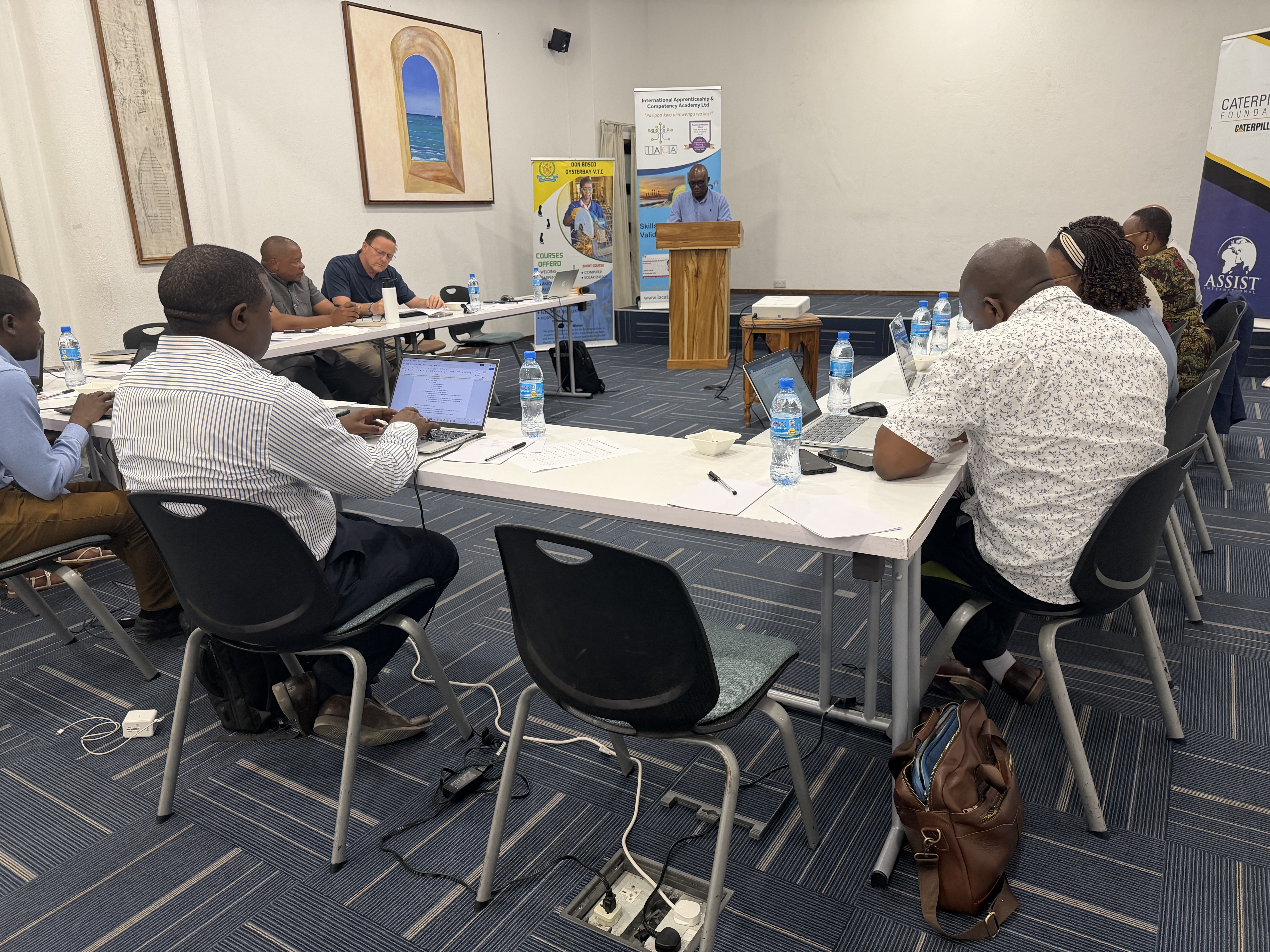
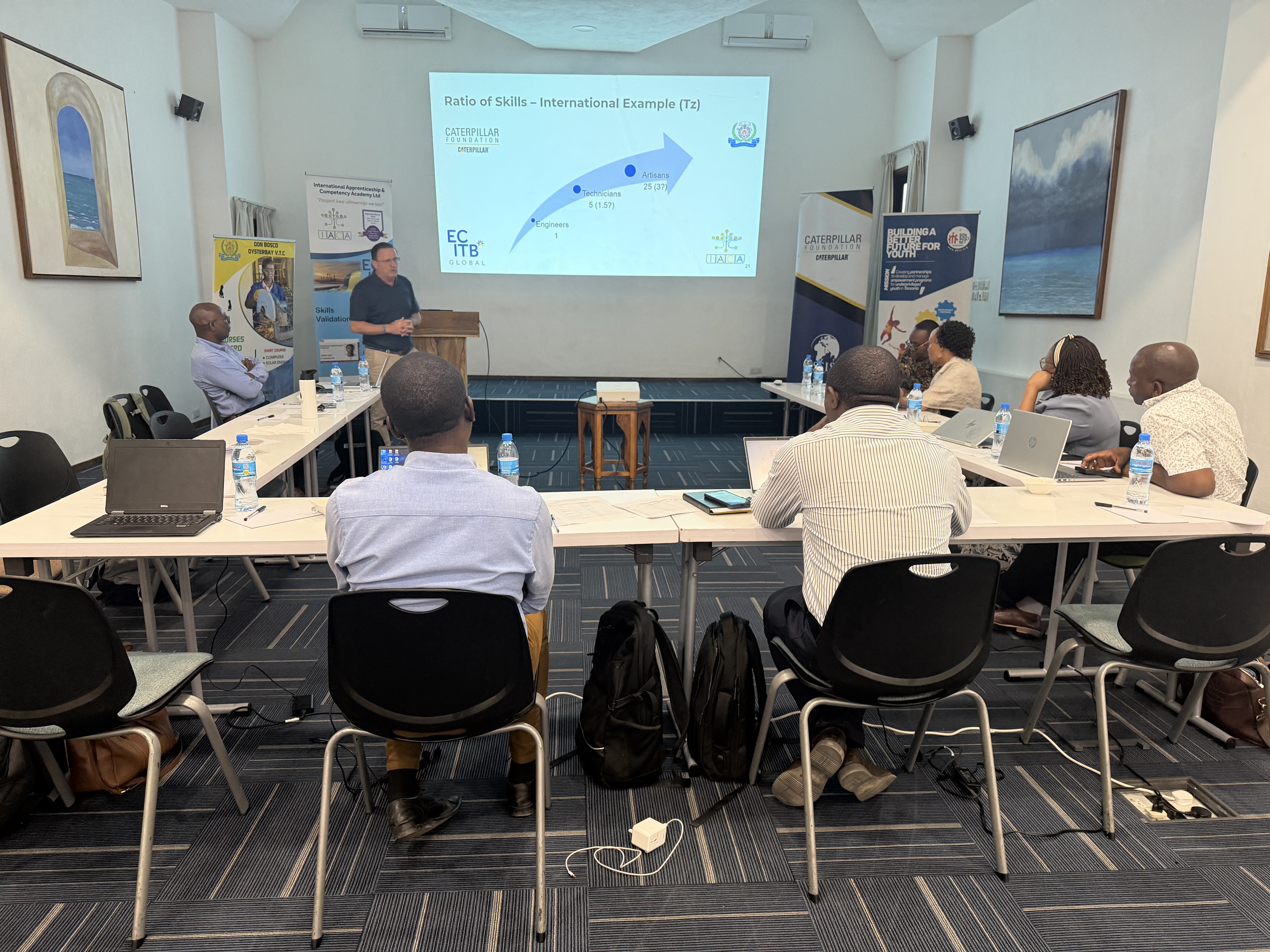
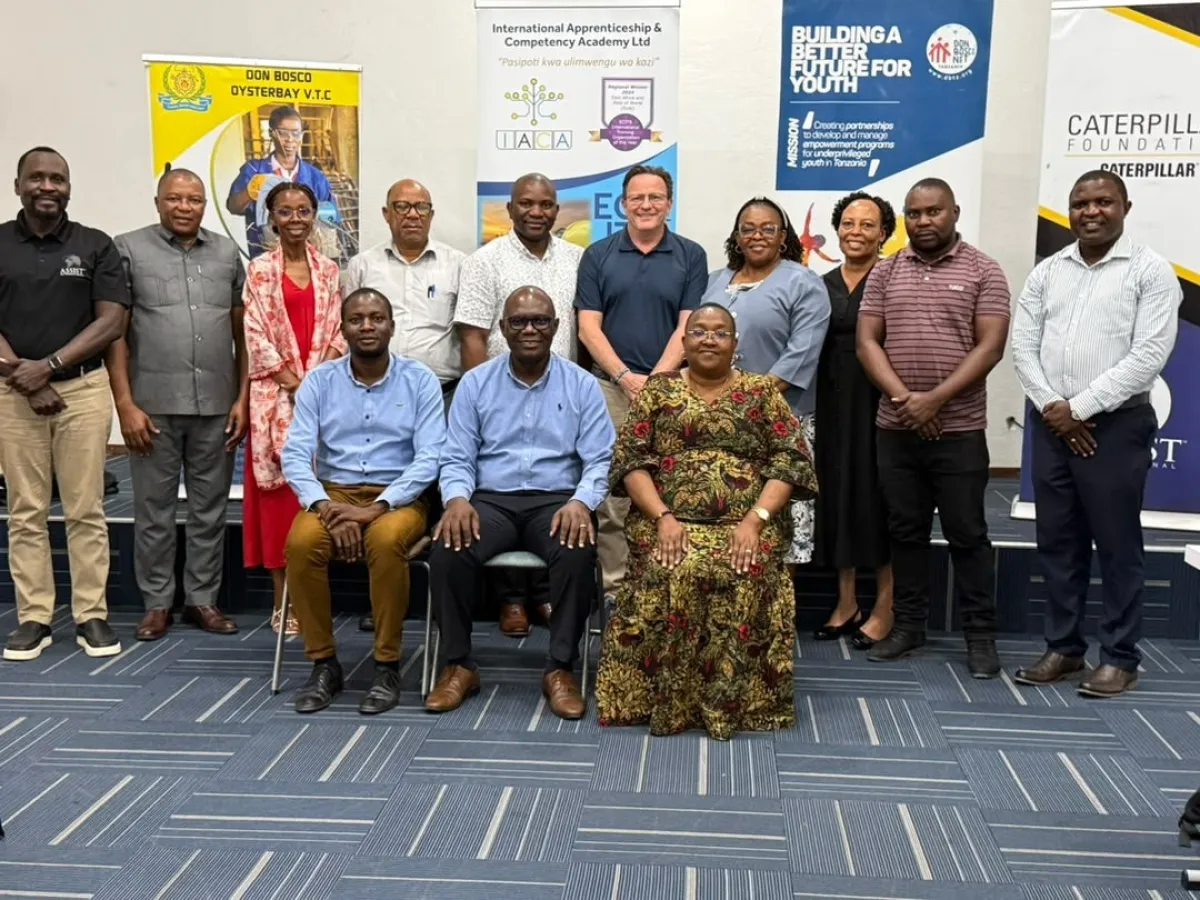
Don Bosco, in collaboration with IACA and Assist International, convened a Steering Committee Meeting on 13 November 2026 to review and validate the proposed National Vocational Award (NVA) Level III curriculum. Bringing together key regulatory institutions, industry representatives, and other TVET stakeholders, the meeting focused on ensuring that the curriculum responds to labour market needs, strengthens industry-based learning through the Dual Training Model, and provides flexible pathways for both new entrants and existing workers to acquire relevant occupational competencies.
Strengthening Collaboration in TVET Curriculum Development
On Friday, 13 November 2026, Don Bosco, in collaboration with IACA and Assist International, convened a Steering Committee Meeting bringing together key stakeholders from Tanzania's Technical and Vocational Education and Training (TVET) sector to review and validate the proposed National Vocational Award (NVA) Level III curriculum.
The meeting brought together representatives from the National Council for Technical and Vocational Education and Training (NACTVET), the Vocational Education and Training Authority (VETA), the Energy and Water Utilities Regulatory Authority (EWURA), the Association of Tanzania Employers (ATE), and the Tanzania Bureau of Standards (TBS), among other stakeholders.
The meeting marked an important milestone in the curriculum development process, providing a platform for regulatory institutions, industry representatives, and other stakeholders to examine the proposed curriculum, assess its relevance to current labour market requirements, and provide technical recommendations for improvement.
The engagement aimed to ensure that the curriculum reflects the competencies, occupational standards, and quality expectations required by national regulatory frameworks and the industries in which graduates are expected to work.
Advancing Competence-Based Education Through the Dual Training Model
The development of the NVA Level III curriculum forms part of Don Bosco's broader commitment to transforming its TVET delivery through the Competence-Based Education and Training (CBET) approach, with particular emphasis on the Dual Training Model.
The model seeks to bridge the gap between classroom-based learning and the practical demands of the workplace by integrating institutional training with structured industry-based learning. Under this approach, learners acquire theoretical knowledge and foundational competencies at Don Bosco Oysterbay while developing and applying practical skills within participating industries.
By strengthening the connection between training institutions and employers, the Dual Training Model aims to ensure that graduates are better prepared for actual workplace environments and can respond effectively to industry expectations.
A Flexible and Modular Approach to Skills Development
Building on the foundation established through NVA Levels I and II, the proposed NVA Level III curriculum introduces a modular training structure comprising five training modules. This approach is designed to accommodate different learner profiles and respond to diverse skills development needs.
For new entrants into the TVET system, including fresh graduates, the programme provides a structured pathway to progressively acquire the full range of competencies required in their respective occupational areas. Through a combination of foundational knowledge, technical expertise, and practical workplace experience, learners are prepared for employment and further professional development.
Importantly, the modular structure also creates opportunities for individuals already employed in various industries to upgrade their skills without necessarily undertaking the entire training programme.
Industrial workers can identify specific modules corresponding to their existing competency gaps, undertake targeted training, and pursue assessment and certification in the respective areas, subject to applicable regulatory requirements.
This flexibility is particularly important in an evolving labour market where technological advancements, changing production processes, and emerging industry standards require workers to continuously update their knowledge and competencies.
It also provides employers with a practical mechanism for investing in workforce development through targeted training interventions that directly address identified workplace skills gaps.
Industry and Institutional Partnerships at the Centre of Quality TVET
The participation of regulatory institutions, employers, industry representatives, and other stakeholders in the curriculum validation process reflects the importance of collaborative approaches in strengthening vocational education and training.
Effective TVET delivery requires more than training infrastructure, qualified instructors, and approved curricula. It also depends on strong and sustained partnerships between training institutions, industries, regulatory bodies, and employers to ensure that training programmes remain relevant, responsive, and aligned with occupational requirements.
Through this collaborative validation process, Don Bosco and its partners seek to strengthen the connection between vocational training and the actual skills demanded by the labour market.
Building a Competent Workforce Through Responsive Vocational Training
Ultimately, the development of the NVA Level III curriculum goes beyond introducing another training programme. It represents an effort to establish a more responsive model of vocational education in which training institutions and industries share responsibility for developing a competent and productive workforce.
Through collaboration with IACA, Assist International, regulatory institutions, and industry partners, Don Bosco continues to advance its commitment to quality vocational education, practical skills development, and improved employment opportunities for young people.
By aligning training with occupational standards and industry requirements while providing flexible opportunities for continuous skills development, this initiative contributes to positioning TVET as an important pathway towards youth employment, improved workforce productivity, and sustainable economic development in Tanzania.