
Via Don Bosco Partners Gather in Benin to Review Five-Year Programme Achievements and Define Future Priorities
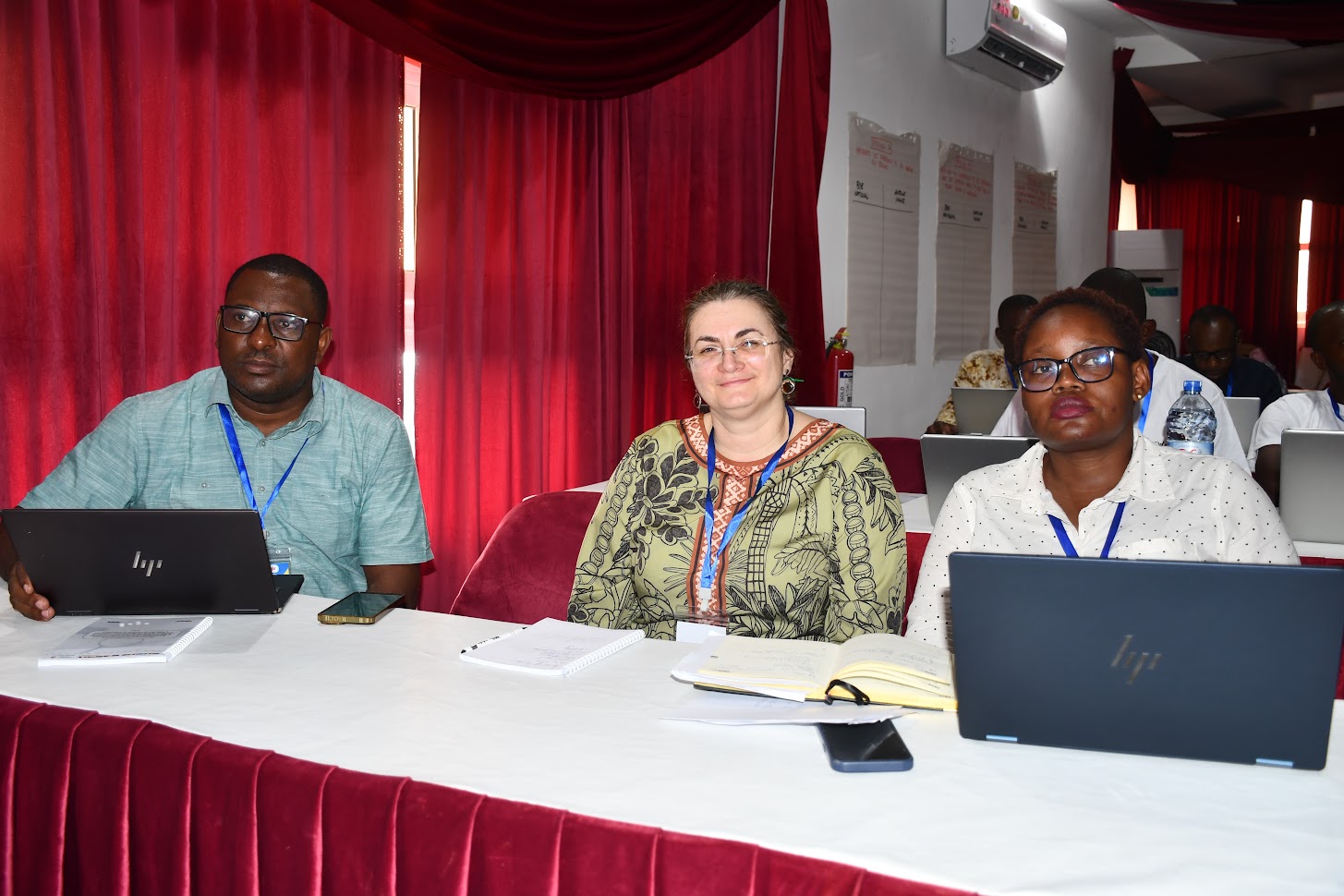
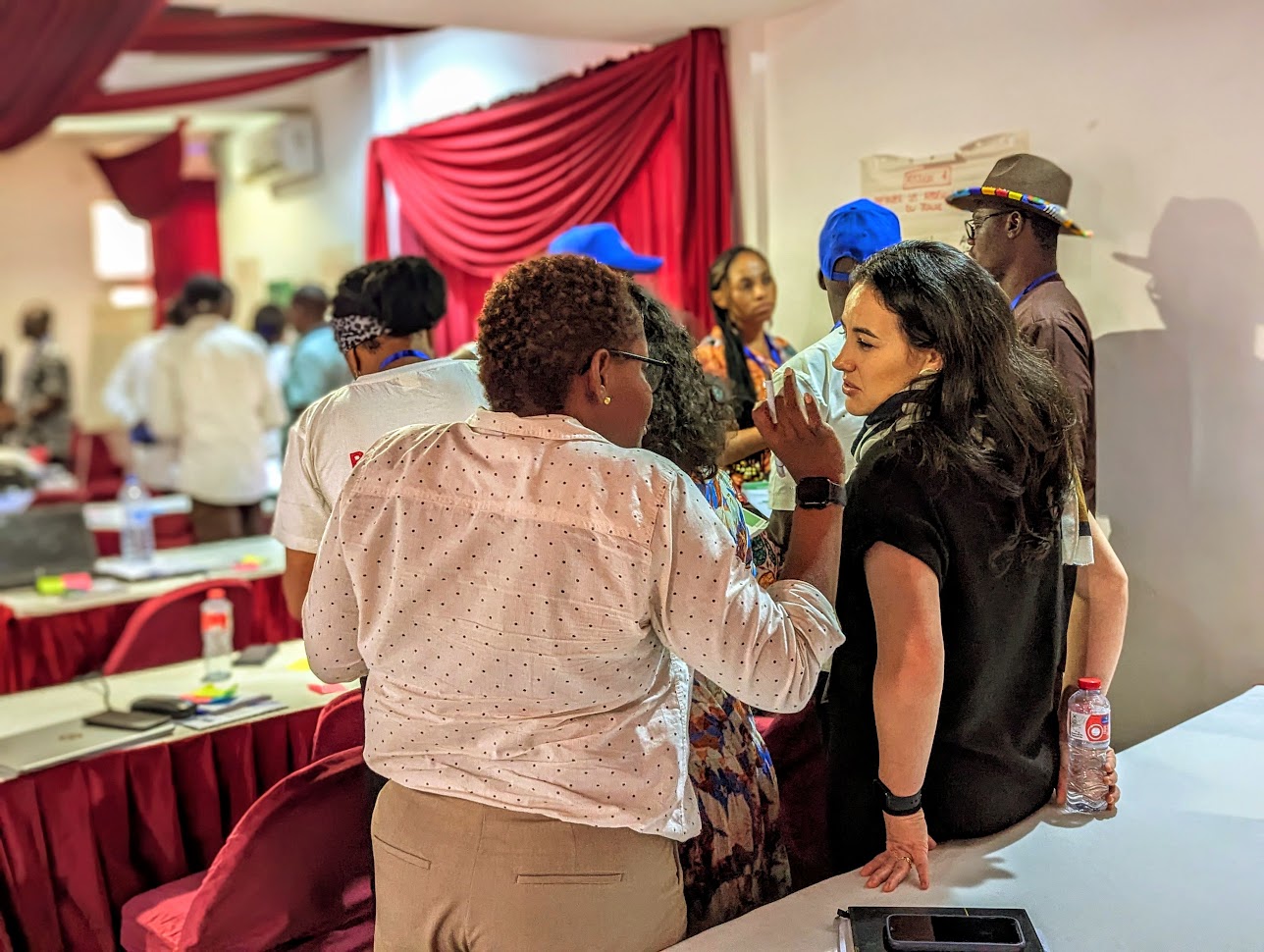
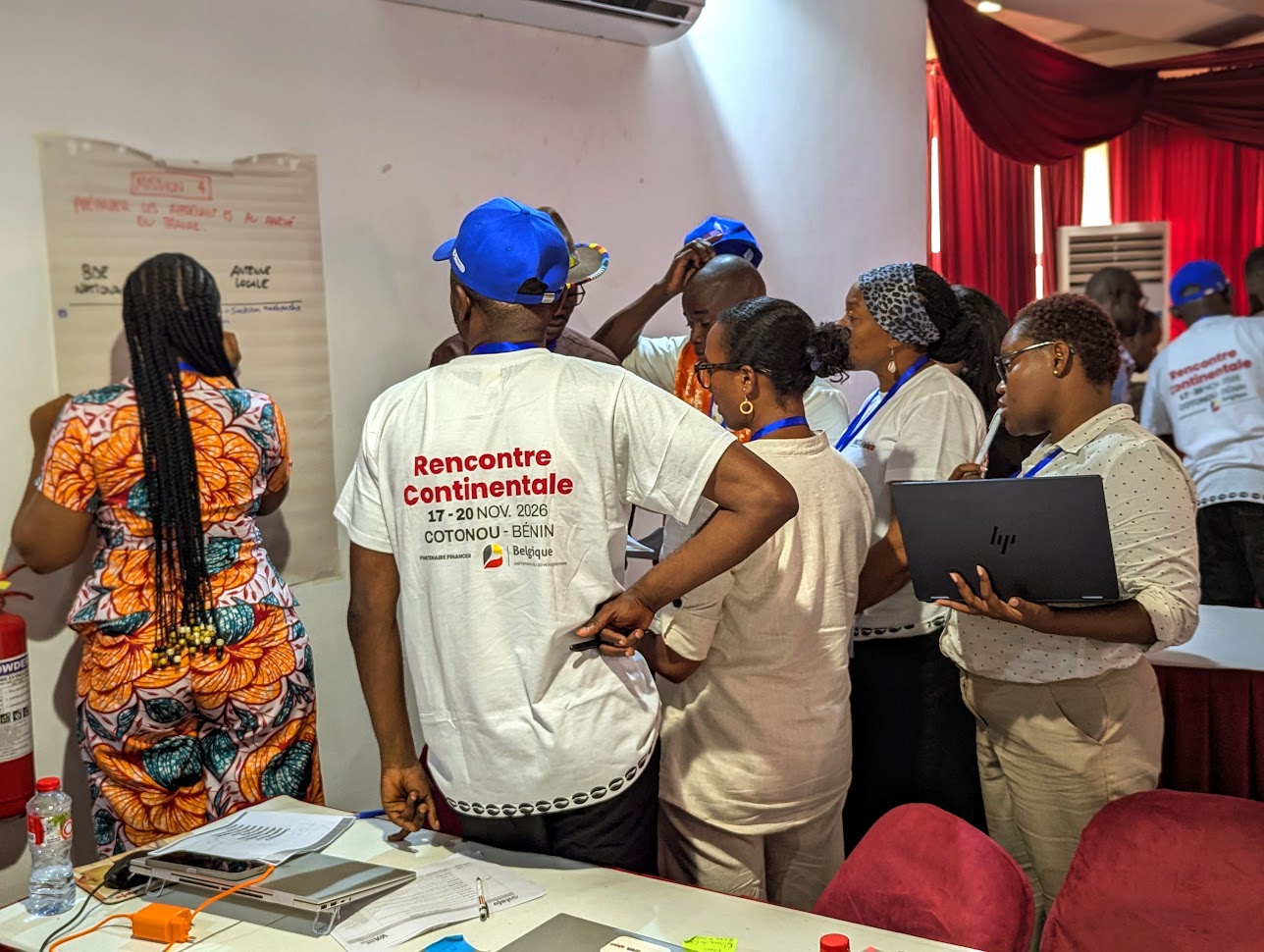
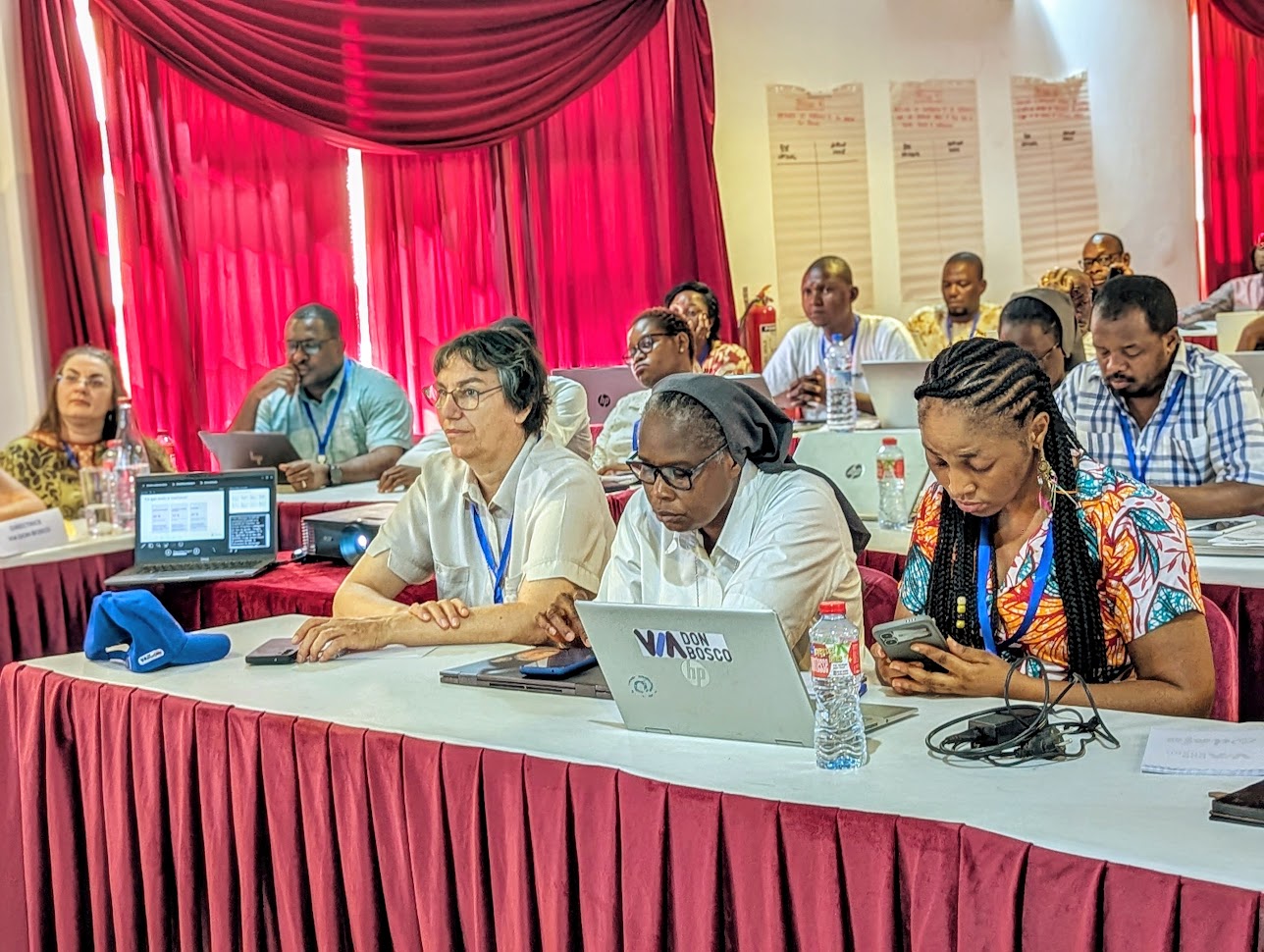
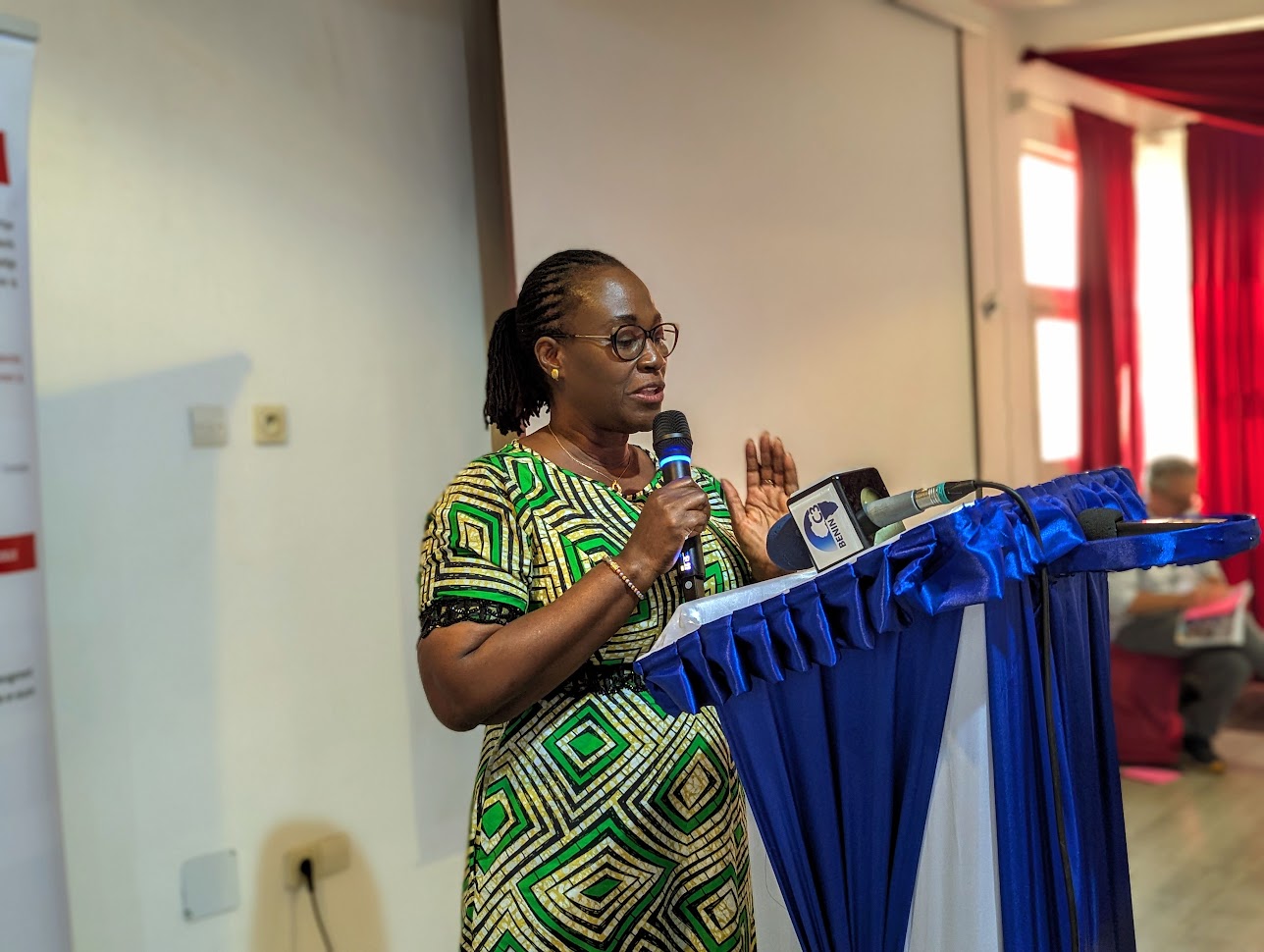
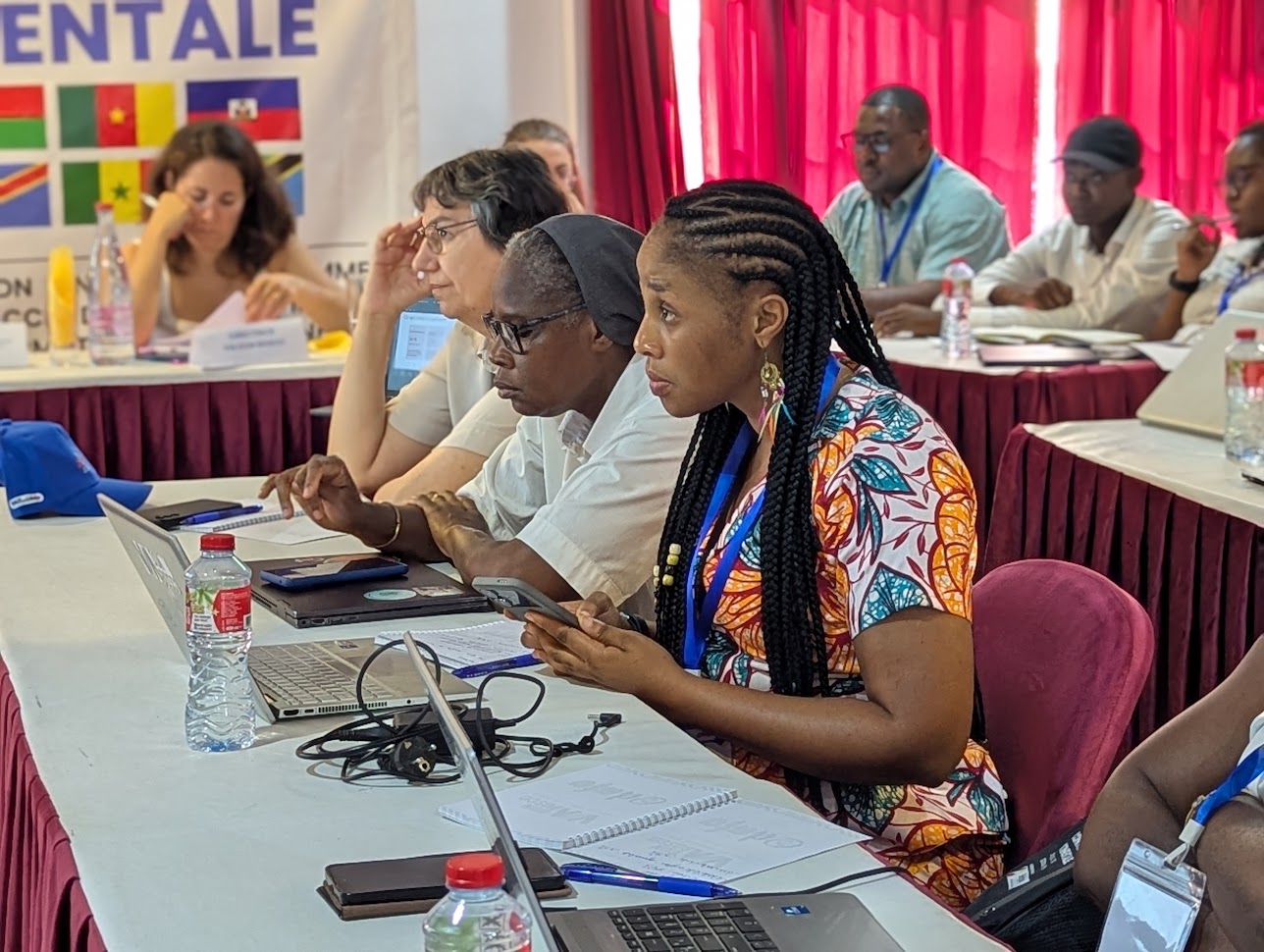
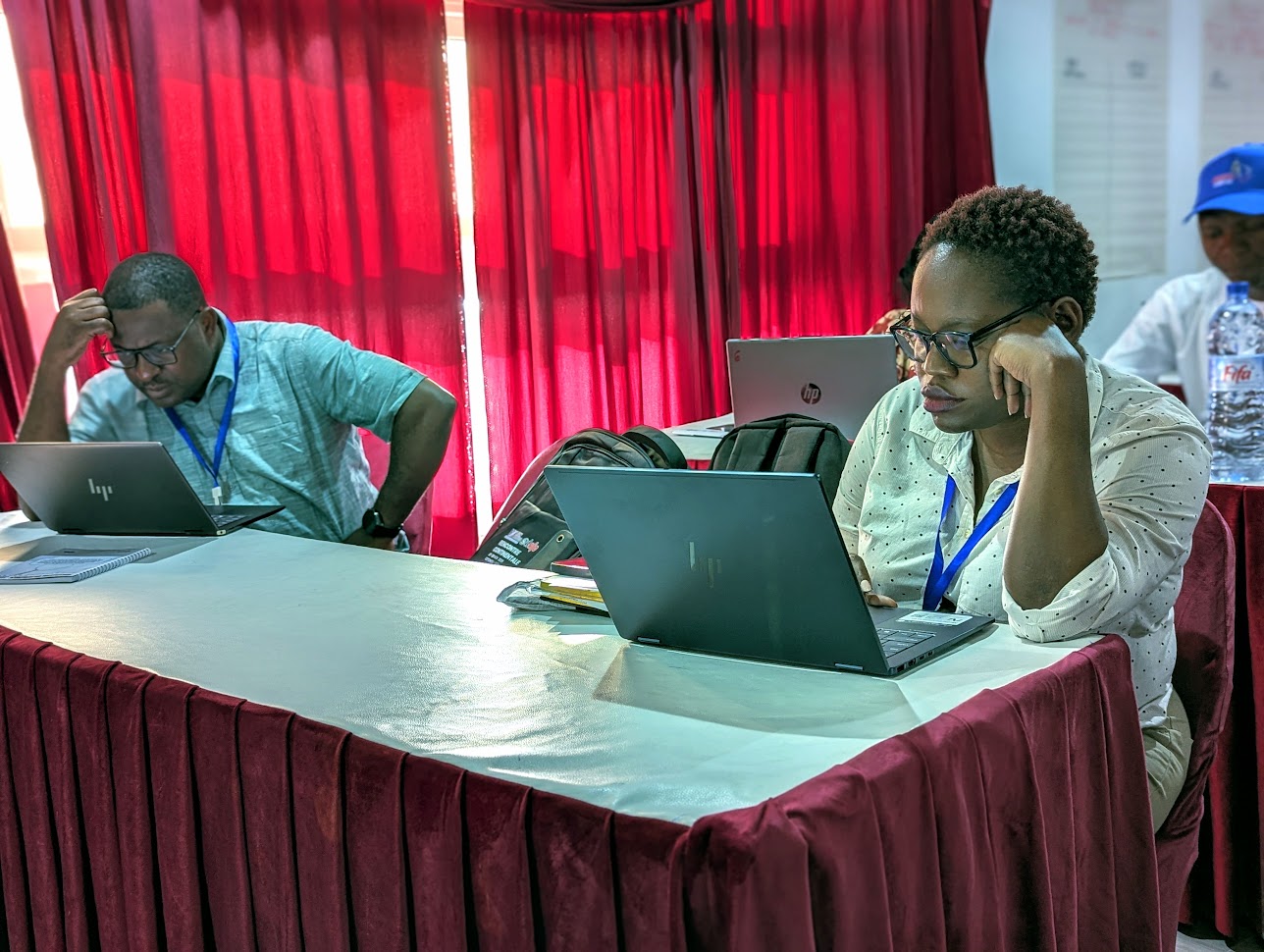
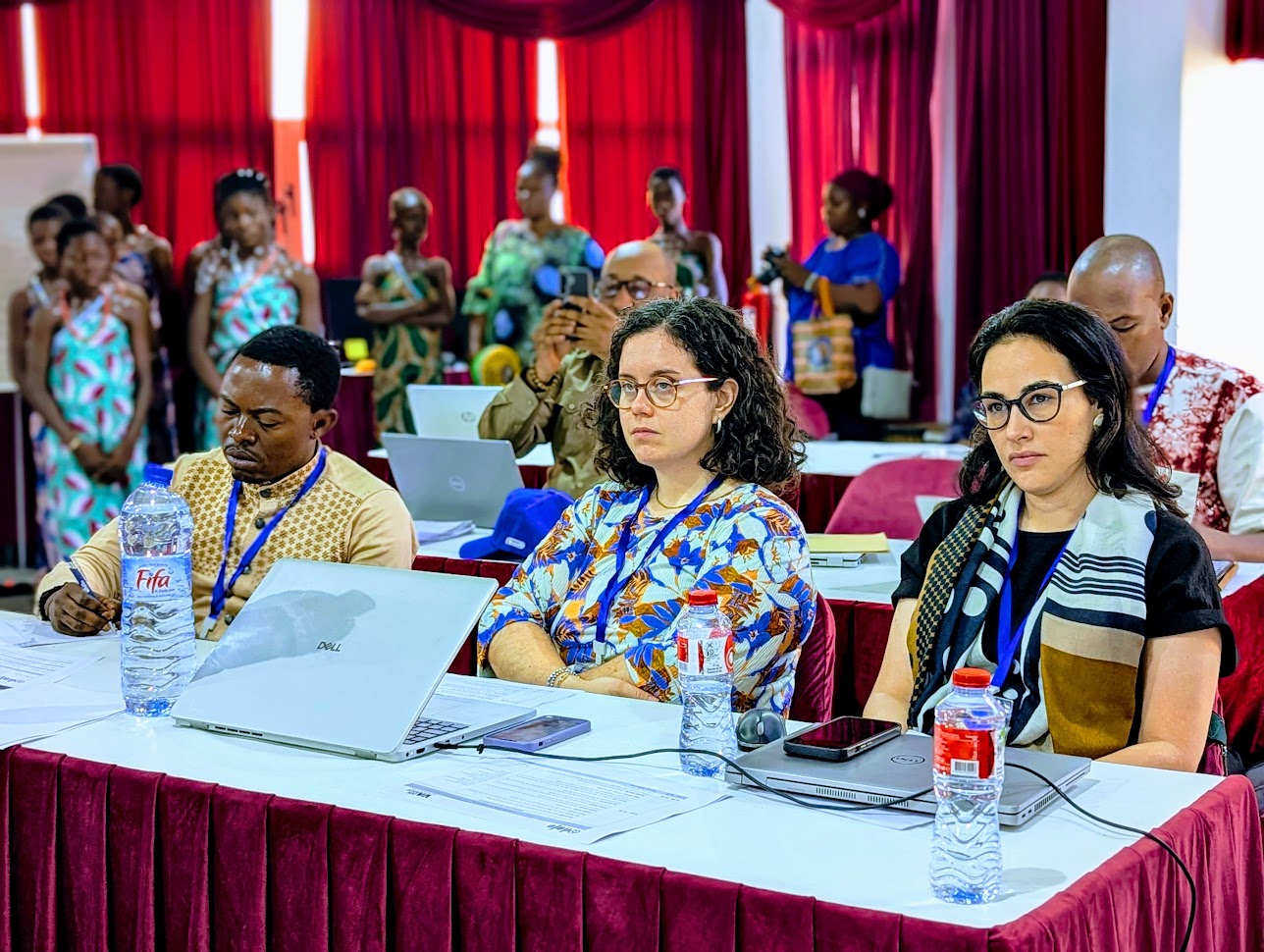
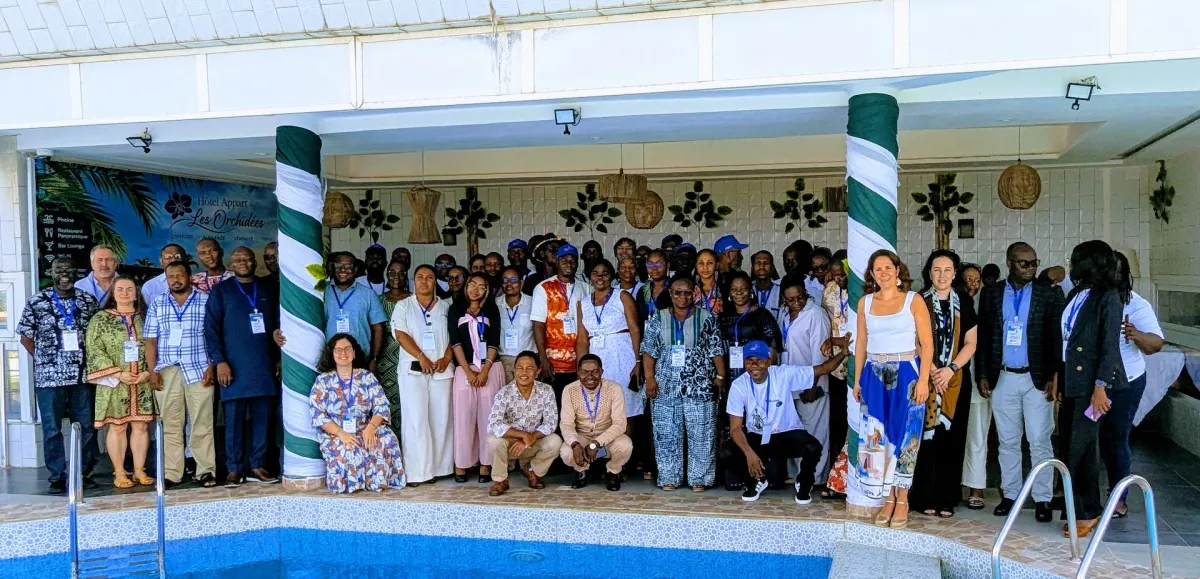
Via Don Bosco partners from eight African countries have gathered in Cotonou, Benin, for a four-day Continental Partners' Meeting to reflect on the achievements, lessons, and challenges of the 2022–2026 programme and define strategic priorities for the next phase of cooperation. The meeting brings together partners to strengthen Technical and Vocational Education and Training (TVET), promote youth employability and entrepreneurship, and expand access to decent employment opportunities. The participation of the Belgian Ambassador to Benin and a representative of the Beninese government highlights the importance of international cooperation and institutional partnerships in advancing skills development and sustainable youth employment across Africa.
The four-day meeting provides an opportunity for partners to reflect on the progress made during the 2022–2026 programme, assess its overall performance, and identify priorities for the next phase of collaboration.
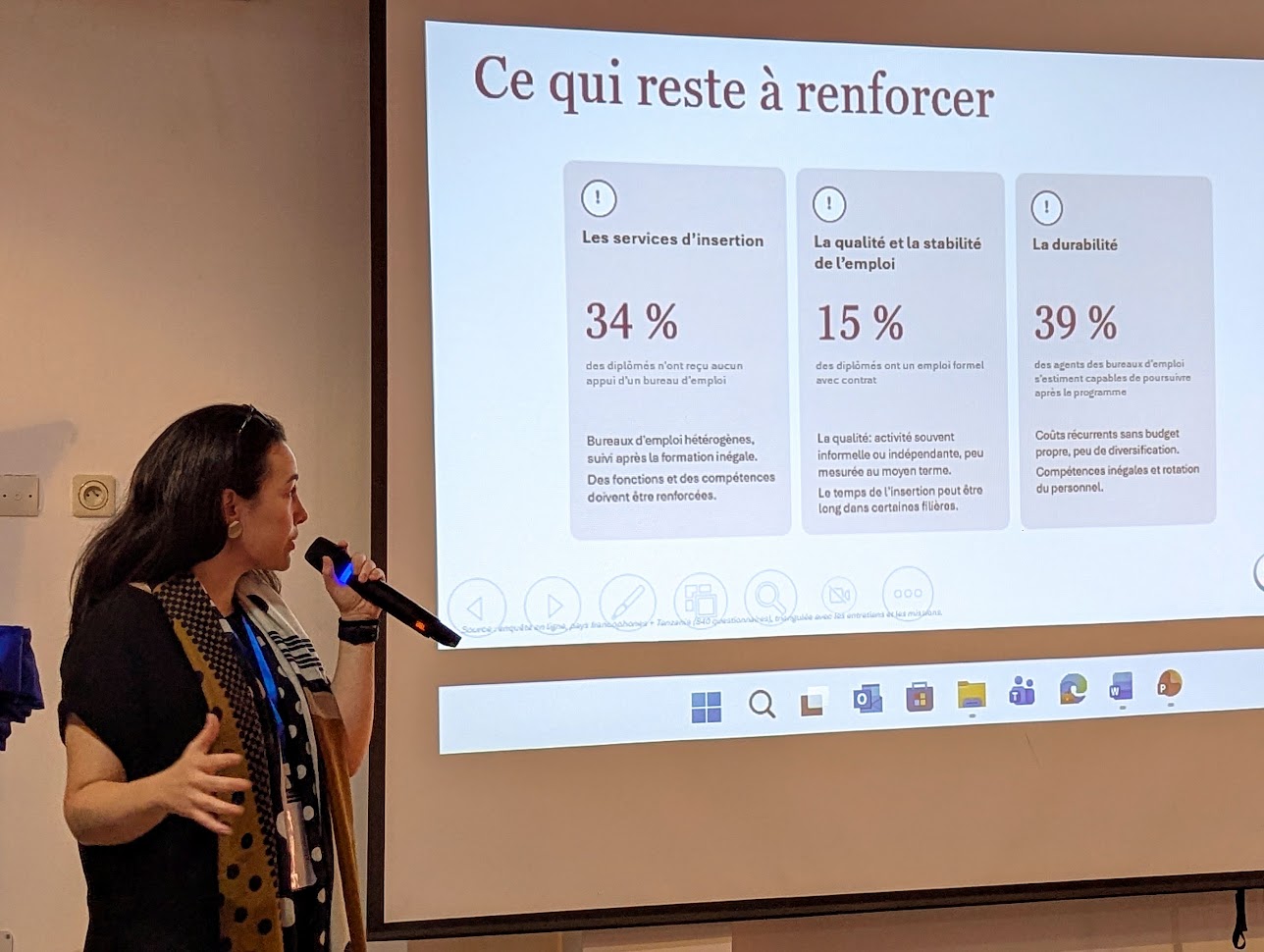
The first day focuses on reviewing evaluation findings, implementation experiences, achievements, and recommendations from participating countries. Through country presentations and discussions, partners share successful interventions, innovative approaches, operational challenges, and lessons learned over the five-year period. Particular attention is given to identifying good practices that can be replicated or adapted to strengthen programme effectiveness, institutional capacity, and long-term sustainability.
For Tanzania and Mali, whose participation in the current partnership framework is coming to an end, the meeting also provides an opportunity to share their experiences and contributions, ensuring that the lessons gained from their involvement inform future programme planning and implementation.
Aligning Vocational Training with Changing Labour Market Needs
Building on the lessons from programme implementation, the second day focuses on emerging labour market trends and employment opportunities across participating African countries. Discussions highlight the importance of ensuring that Technical and Vocational Education and Training (TVET) programmes respond to changing economic realities, industry demands, and the evolving skills needs of employers.
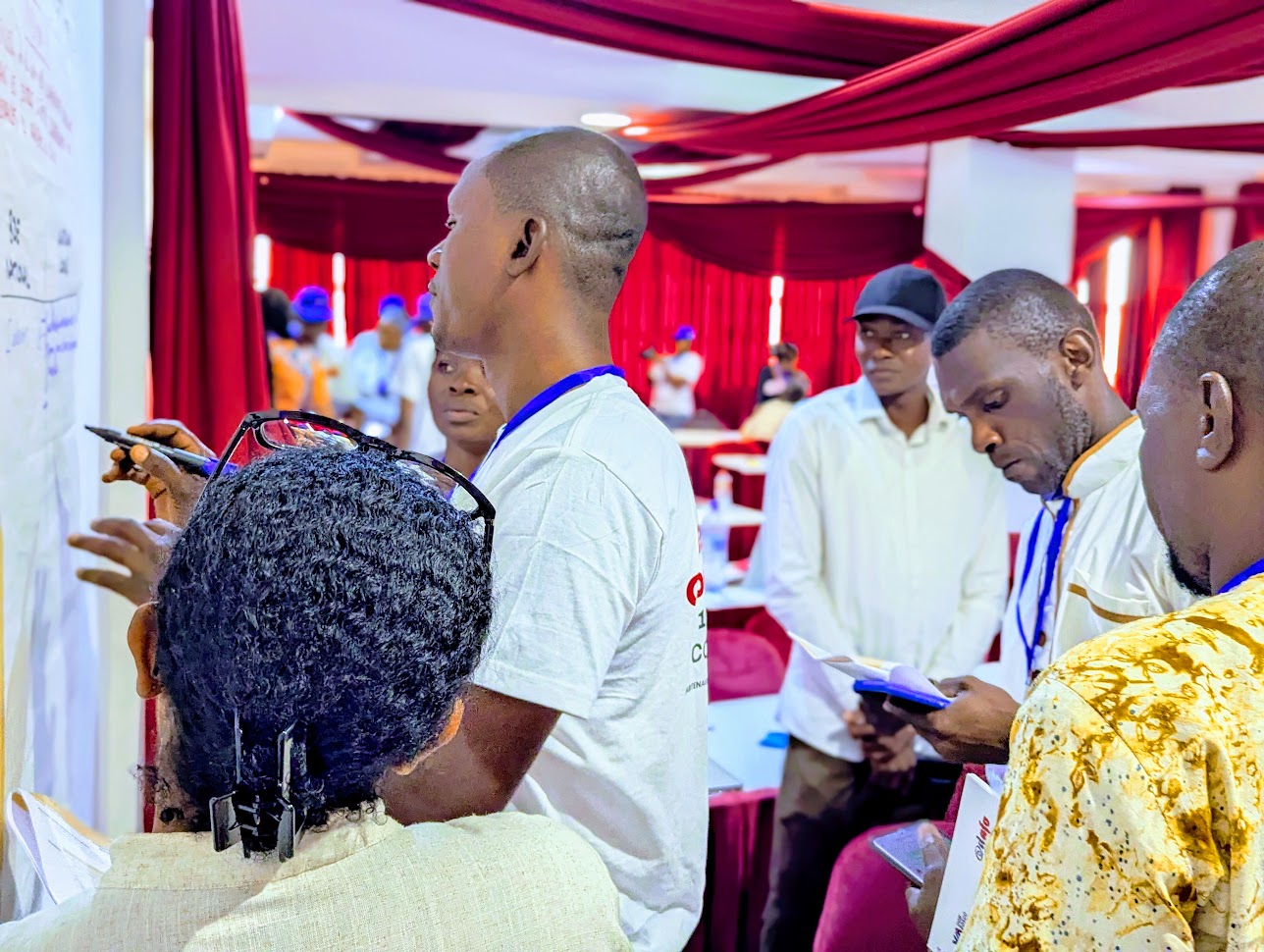
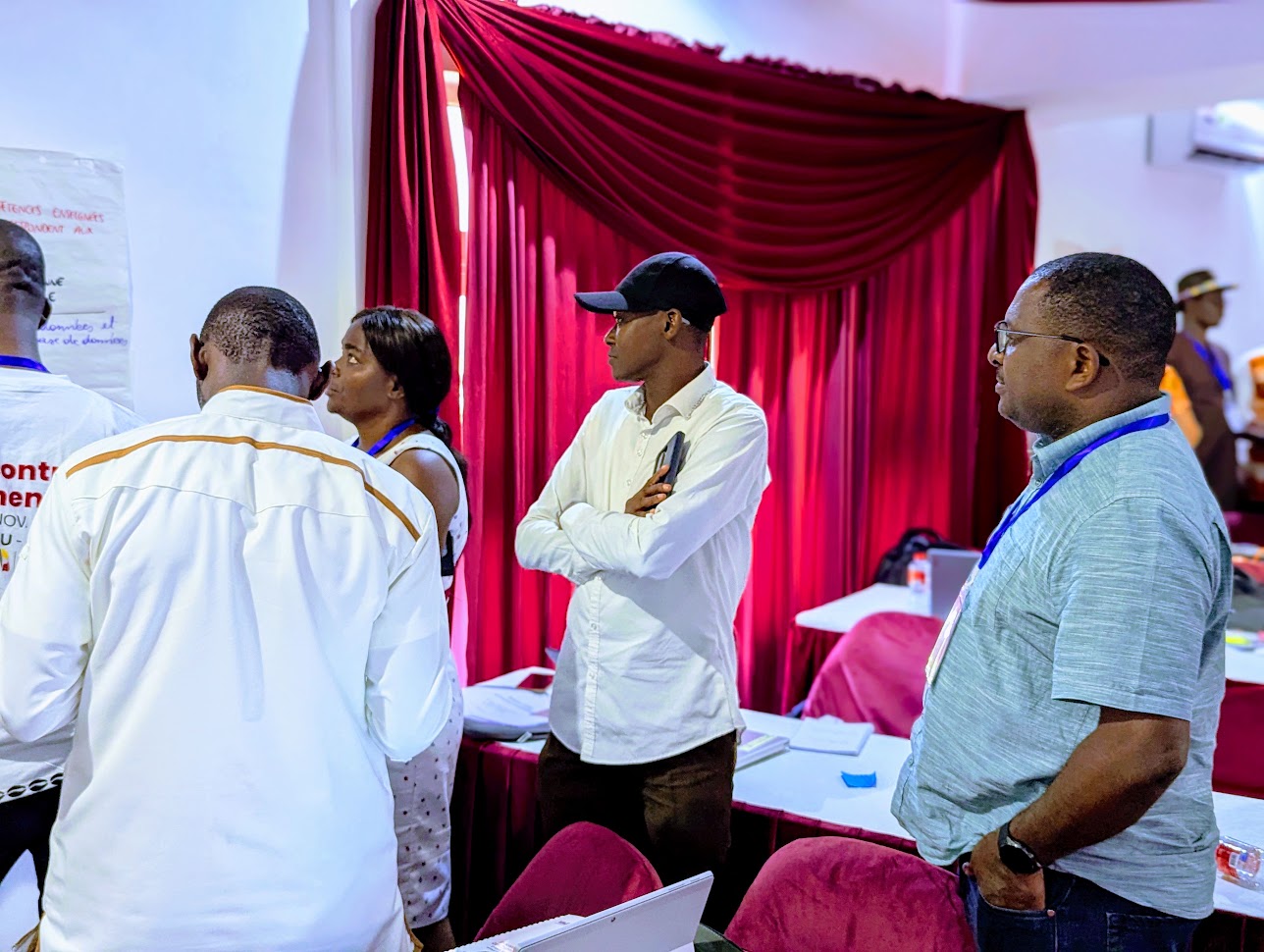
Partners explore the impact of technological advancements, digital transformation, and emerging employment sectors on vocational training. They also discuss ways of strengthening collaboration between training institutions and industries to improve the relevance of vocational education and facilitate young people's transition from training to employment.
The discussions emphasise that preparing young people for the labour market requires more than technical skills. It also involves equipping them with practical competencies, adaptability, and employability skills that enable them to access decent, productive, and sustainable employment opportunities.
Strengthening Entrepreneurship and Youth Self-Employment
The third day places entrepreneurship at the centre of discussions, recognising its importance in promoting economic independence and creating sustainable livelihood opportunities for young people.
Partners review existing entrepreneurship training approaches and identify ways to strengthen business development skills, financial literacy, enterprise management, and market-oriented competencies. Discussions also examine the importance of providing young entrepreneurs with continued support after training, enabling them to establish, manage, and sustain their businesses.
Particular attention is given to increasing opportunities for TVET graduates to become job creators rather than relying solely on formal employment. By integrating stronger entrepreneurship support into vocational training programmes, the next phase of cooperation seeks to empower young people to contribute actively to local economic development.
Learning Through Practical Experience
On the fourth and final day, participants undertake a field visit to the FMA and SDB facilities at Dantokpa Market in Cotonou. The visit offers an opportunity to observe practical initiatives, exchange experiences, and gain insights into approaches that connect vocational skills development with economic opportunities and community livelihoods.
The field visit complements the discussions held during the previous days by providing a practical perspective on how vocational training, entrepreneurship, and local economic activities can contribute to sustainable livelihoods.
Building on Experience for Greater Impact
The Continental Partners' Meeting marks an important step in the transition from the 2022–2026 programme to a new phase of cooperation. By bringing together partners from different African contexts, the meeting provides a platform for collective learning, experience-sharing, and strategic reflection on how vocational education and youth employment initiatives can be strengthened.
The lessons, recommendations, and priorities emerging from the discussions will help inform the design of future interventions, ensuring that the next programme builds on successful practices while addressing challenges and gaps identified during implementation.
For Don Bosco Tanzania, participation in the meeting reinforces its commitment to promoting quality vocational education, strengthening youth employability, and expanding sustainable livelihood opportunities for vulnerable and disadvantaged young people.
Through continued collaboration, shared learning, and strategic partnerships, Via Don Bosco and its African partners remain committed to empowering young people with relevant skills, meaningful employment opportunities, and the capacity to build dignified and sustainable futures.